Peter Doig’s paintings of the nineties reference the snowy landscapes of Northern Canada. One of these paintings can be seen on Piano Nobile’s stand at TEFAF Maastricht.
InSight No. 187
Peter Doig, Figure in Mountain Landscape, 1999
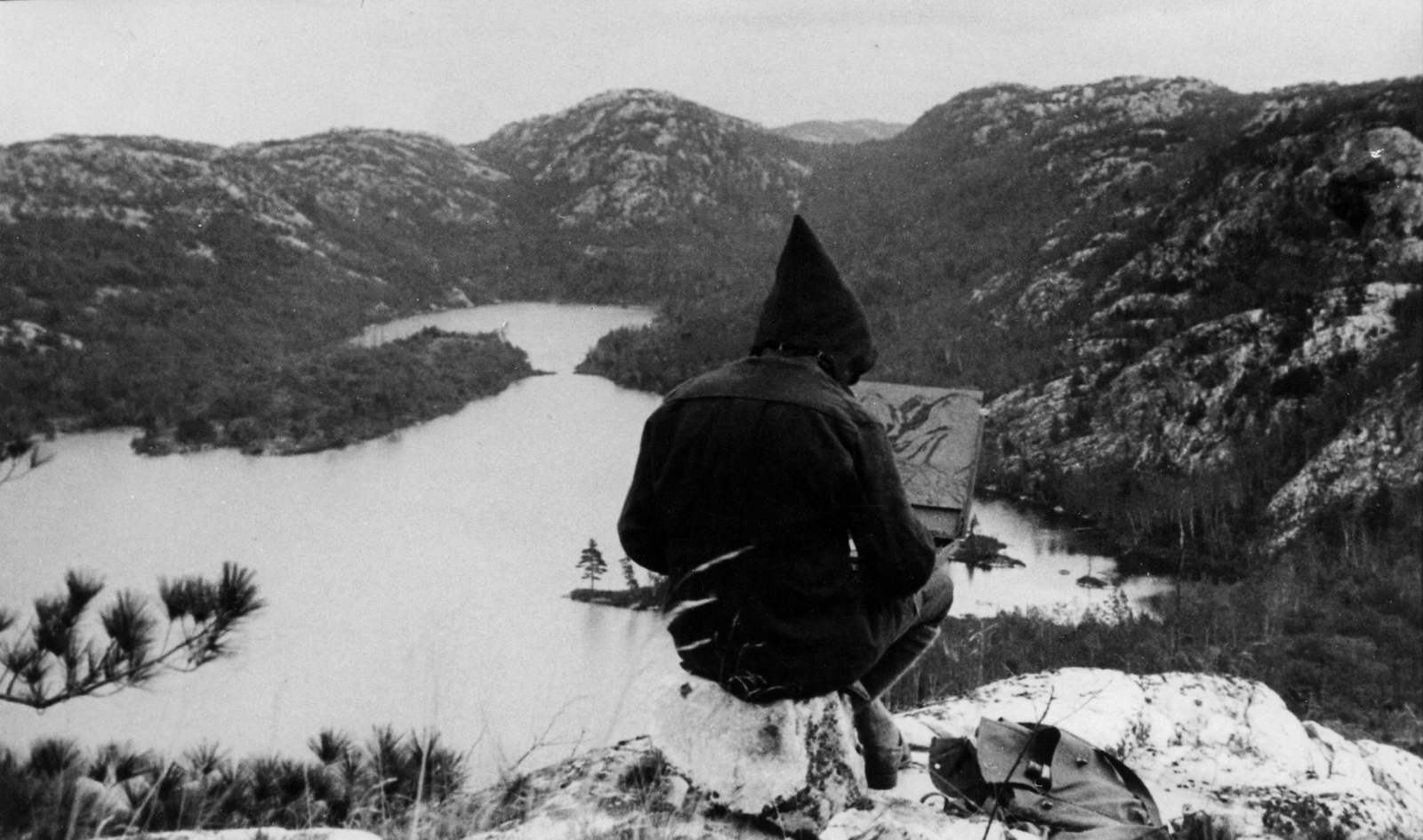
High above Grace Lake in Northern Ontario, Canada, the painter Franklin Carmichael (1890–1945) perched himself on a boulder and set up his painting box. His friend Joachim Gauthier photographed him in the act. In art history, the image of the pleinairiste studying Nature is an enchanted symbol. It complements a widely admired kind of painting in which fresh and lively handling implies inspiration from an imminent subject. Carmichael was a founding member of the Group of Seven, formally instituted in 1920, which is often described as Canada’s first national art movement of international significance. Its artists practised a distinctive kind of pleinairisme that involved heightened colour, swirling symbolist forms and clean, palpable applications of paint. Above all, the unique flavour of Group of Seven painting came from the largely unpainted landscapes of Northern Canada, which artists like Carmichael studied so tenaciously.
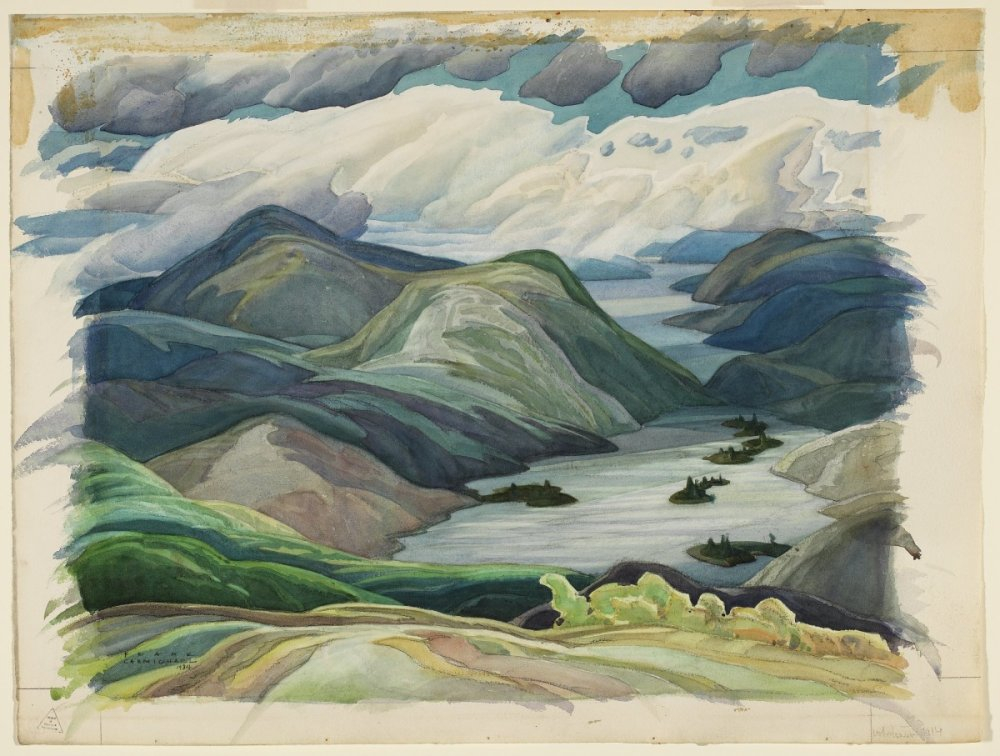
Following brief periods in Edinburgh and Trinidad, Peter Doig’s (b. 1959) family settled in Canada and he spent his childhood there between 1966 and 1979. After moving to London in 1979, he went back to Canada and lived in Montreal for two-and-a-half years before starting a graduate course at Chelsea School of Art in 1989. Speaking about this period with Lauren Laverne on BBC Radio 4’s Desert Island Discs in 2023, Doig said ‘I went back into my own biography’. In Canada, he turned to the country’s ‘great landscape tradition’, which ‘wasn’t really known here [in Britain] too much’. ‘I never really planned it but I realised that maybe this was something that could become a way of working for me.’
Doig’s imaginative reinvention of the Canadian landscape tradition rejected pleinairisme in favour of photographic sources. He used both his own unprofessional snapshots and sources such as historical photographs, motion-picture stills and marketing images from travel brochures. Away from his subjects in the studio, he selected poignant images of snowy and tree-screened landscapes and painted them with crackling mineral colours and painterly textures. In the nineties he often thinned oil paint so much that it ran in channels and soaked into the unprimed linen. In the same works, local areas were painted with gum-like impasto and other encrusted effects. Working from photographic sources meant that Doig was unbound by the imperative of a sensation gleaned direct from Nature, and this afforded him the freedom to reiterate imagery in a variety of different treatments. Although the imagery of Doig’s paintings is clear and legible, his often impersonal handling of paint translates images into a heightened world of imagination. These images operate somewhere between the realms of reality and representation; they function simultaneously as pictures of real things and as paintings of such pictures.
Between 1996 and 1999, Doig made several paintings called Figure in Mountain Landscape. The title was apparently suggested by an otherwise unrelated painting of the same name by Francis Bacon (1956, Kunsthaus Zürich). The series included two large paintings made in 1997–98, one in vertical format that measures nearly three metres in height and one in horizontal format that measures over three-and-a-half metres in width. These paintings derived from Gauthier’s photograph of Carmichael, and they have a claim to be Doig’s most explicit engagement with the Group of Seven painting tradition. But Doig made the photograph serve his own artistic purposes. In 2000, he explained that the seated figure is ‘becoming part of the landscape that is being painted.’ Much like the conceit of Artemesia Gentileschi’s self-portrait in which she paints herself into being, ‘The whole thing becomes a painting, rather than a painting depicting a painter.’ Doig added, ‘the forms hover in reality’.
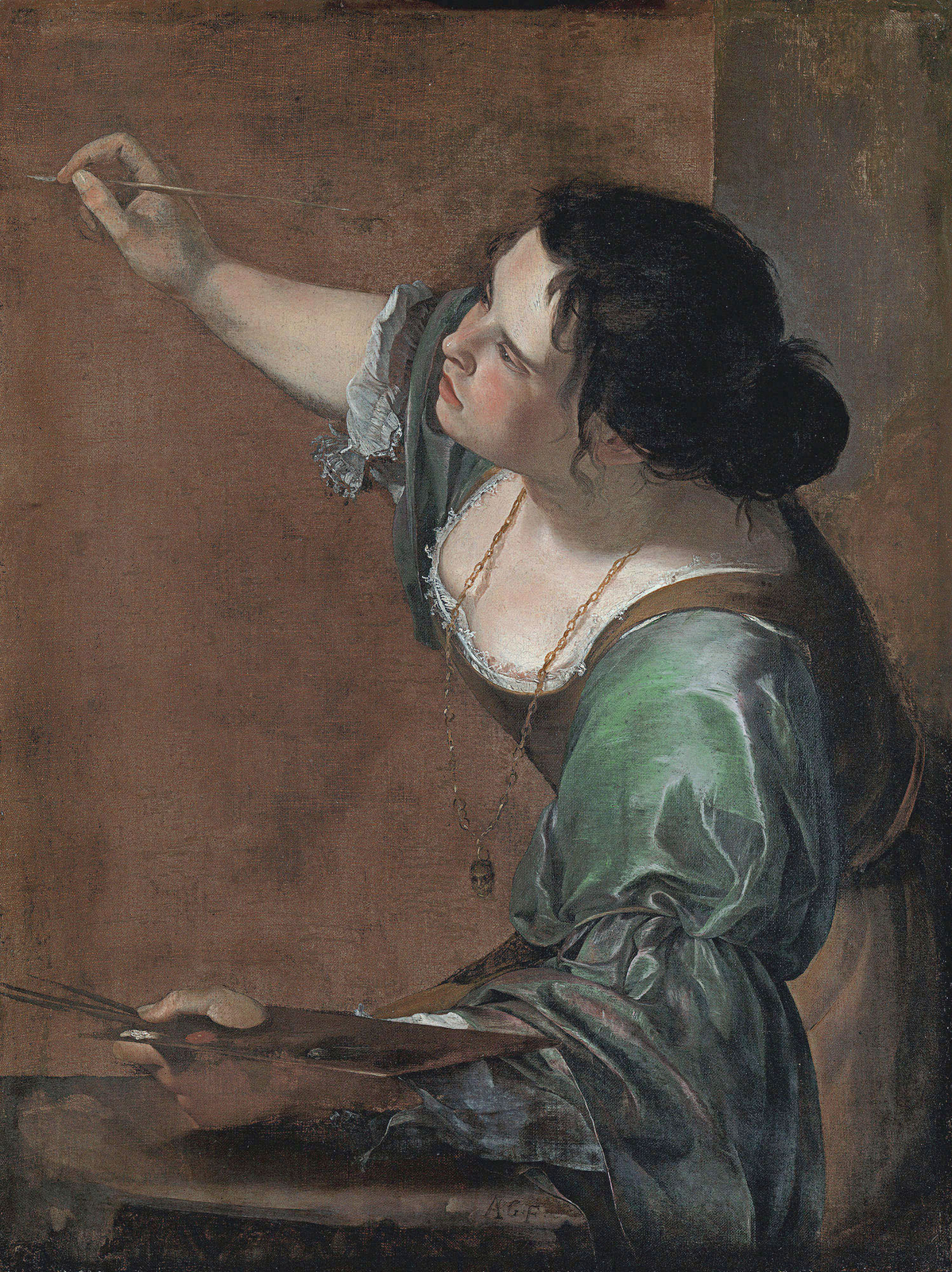
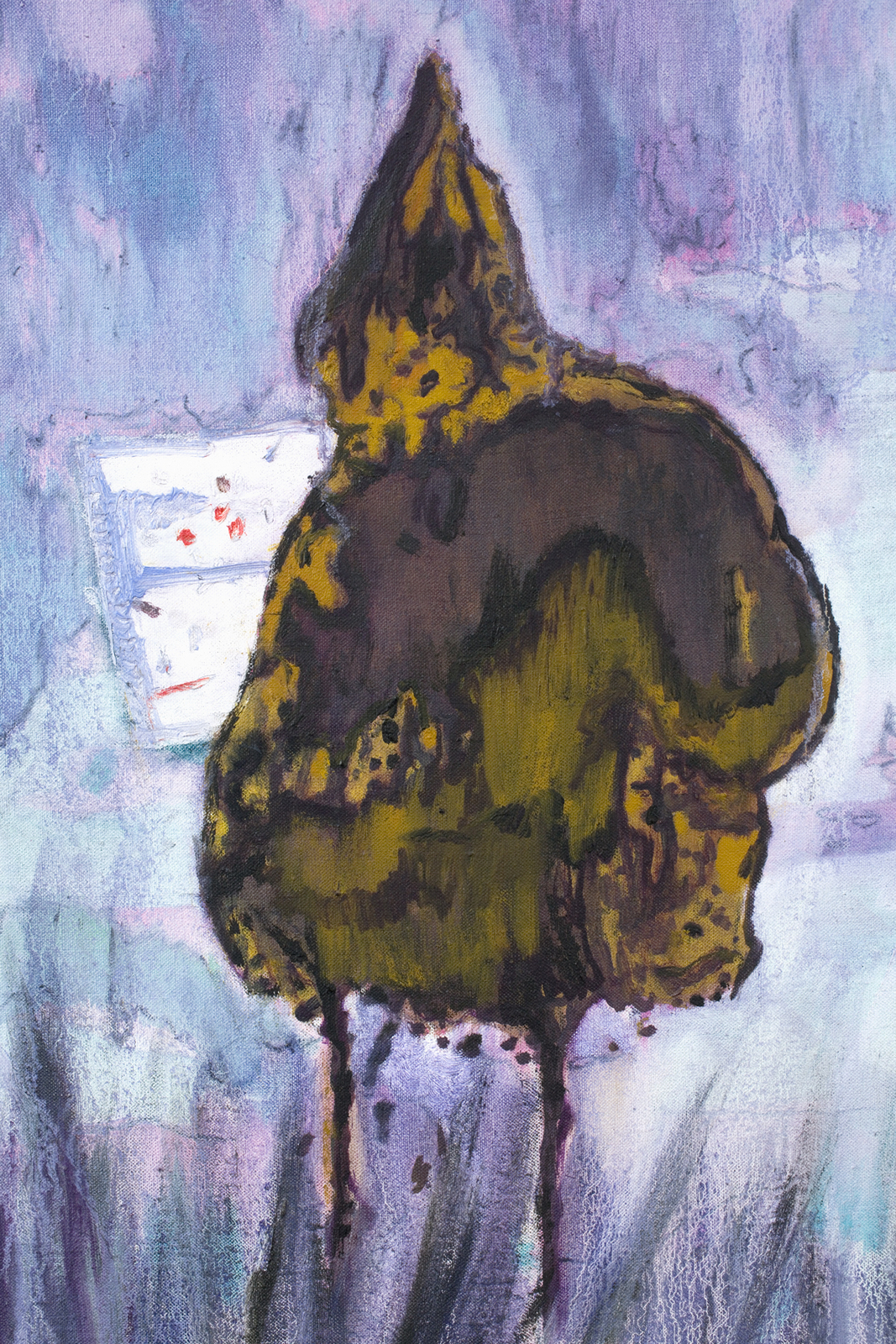
Figure in Mountain Landscape is among the most recognisable images in Doig’s work. One of the large versions was included in retrospectives of his work held in 1998, 2008–09 and 2013–14. When the poet Derek Walcott entered into dialogue with Doig’s paintings, which resulted in the collection Morning, Paramin (2016), Figure in Mountain Landscape was one of those he responded to: ‘his mirrored craft keeps still/his woods with the last words of falling snow.’ Besides the two large-scale paintings, Doig made at least three smaller paintings on canvas and five works on paper, one of which was acquired by the Museum of Modern Art, New York. The earliest painting on paper was made in 1996, and other works of 1996 and 1997 contributed to the process of preparing the large versions. But Doig continued to remake the image and he painted at least three more versions in 1999. One showed the figure in a new landscape setting—a cave—while the work illustrated here pictures the figure silhouetted in ochre and puce against the landscape, which is wreathed in pale hues of blue, turquoise, pink and purple. With each reiteration, Doig discovered new possibilities in the source photograph and continued to reimagine the landscape of his Canadian childhood.
Images:
Franklin Carmichael, Grace Lake, 1934, watercolour and charcoal on paper, 52 x 68 cm, National Gallery of Canada, Ottawa
Franklin Carmichael at Grace Lake, Ontario, 1934, photographed by Joachim Gauthier
Artemesia Gentileschi, Self-Portrait as the Allegory of Painting, c. 1638/1639, oil on canvas, 98.6 x 75.2 cm,
Royal Collection Trust
Peter Doig, Figure in Mountain Landscape (detail)